THE BRAIN
Innovation strategy, process and governance
Choose opportunities that can build lasting competitive advantage. Connect the brief, insights and ideas with decisions, resources and development.
ALPINNO · AI-ENABLED INNOVATION EXCELLENCE
Connect innovation strategy, AI and data, and Agile ways of working to turn promising opportunities into differentiated value.
An ALPINNO-led offering, delivered in collaboration with Rowan Gibson.
Start with a two-day masterclass and workshop. Test the approach on a real brief. Then build the capability inside your organisation.
COMPLEMENTARY EXPERTISE.
ONE CONNECTED APPROACH.


AI-Enabled Innovation Excellence
Strategy. Evidence. Learning. Action.
THE CHALLENGE
An insight creates value only when the organisation can develop it, make decisions and act. Better technology helps, but so do clear priorities, shared knowledge and room to experiment.
We connect these conditions in one innovation system, so that each improvement supports the others.
THE INNOVATION SYSTEM
Direction to create value. Capability to explore it. A culture that turns learning into action.
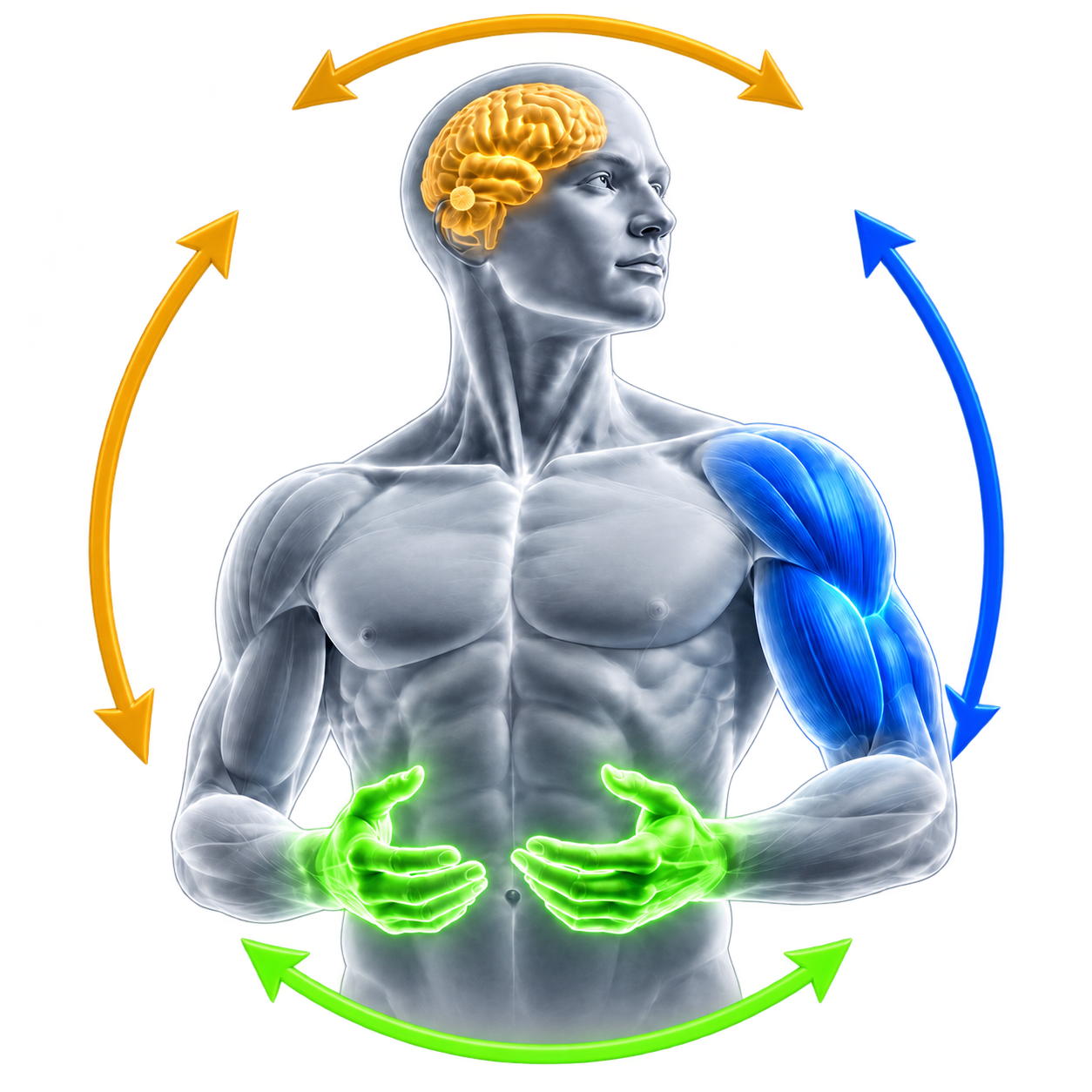
THE BRAIN
Choose opportunities that can build lasting competitive advantage. Connect the brief, insights and ideas with decisions, resources and development.
THE MUSCLES
Find and connect relevant evidence, explore more possibilities and support assessment and documentation. People retain judgement and ownership of decisions.
THE HANDS
Create safety to question assumptions, share knowledge across silos and make time for creativity. Use customer feedback and short experiments to learn and adapt.
A shared direction makes AI useful. Shared knowledge makes connections possible. Experimentation helps ideas move forward.
STRATEGIZE → VALIDATE → SCALE
Each stage informs the next decision. Start with shared direction, test the approach on a real brief, then build the internal capability. Within Scale, agree the scope: from deploying tools and processes to broader organisational change.
01 STRATEGIZE · THE TWO-DAY WORKSHOP
A company-specific masterclass and workshop combining learning with work on your own strategic opportunities.
Explore the intended state of innovation strategy and governance, AI and data, and Agile culture. Then connect the three transformation journeys and make an indicative self-assessment.
| 09:00–10:30 | Executive opening: ambition and context |
|---|---|
| 10:30–12:00 | Innovation: strategy, process and governance |
| 12:00–13:00 | AI and data: evidence, capabilities and judgement |
| 13:00–14:00 | Lunch |
| 14:00–15:00 | Agile: safety, collaboration and experimentation |
| 15:00–17:00 | Connect the transformation journeys |
| 17:00–18:00 | Self-assess progress, evidence and gaps |
Review strategic KPIs, ambition, current strategy and boundaries. Explore briefs at strategy, portfolio and product levels, compare impact, cost and risk, then prioritise with leadership.
| 09:00–10:15 | KPI baselines and ambitions |
|---|---|
| 10:15–11:30 | Strategy and innovation boundaries |
| 11:30–13:00 | Explore and brainstorm briefs |
| 13:00–14:00 | Lunch |
| 14:00–15:30 | Draft and challenge the briefs |
| 15:30–16:30 | Preliminary impact, cost and risk assessment |
| 16:30–18:00 | Executive closing: prioritise and agree next steps |
Gold rows identify executive participation. Each day runs 09:00–18:00, including one hour for lunch. Short breaks are arranged within sessions.
A shared approach, an indicative transformation profile, 1–3 prioritised draft innovation briefs, and candidates for pilot scoping. The focused pilot is then agreed around one brief.
Explore a workshop for your organisation02 VALIDATE · A FOCUSED PILOT
Apply the AI-assisted, data-driven innovation process to one agreed brief. Use relevant evidence to explore solution domains, extract invention triggers, generate ideas and assess the strongest concepts.
Pilot target: five invention disclosures with patent potential, subject to the brief, search and specialist IP review. The standard three-month pilot covers one brief; additional briefs require separate scoping.
03 SCALE · AGREE THE SCOPE OF CHANGE
Assess the current capability and define a practical roadmap. Scale can be a targeted deployment or a broader transformation across innovation, AI and data, and Agile culture and ways of working.
The roadmap, involvement and investment are tailored to the company. A workshop or pilot does not automatically include a full enterprise transformation.
FROM INSIGHT TO DEVELOPMENT
Based on Rowan’s Four Lenses of Innovation. All four lenses remain fully applicable; their implementation is redesigned to leverage big data and AI, moving from an analogue approach to a digital, AI-enabled workflow.
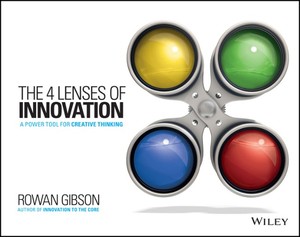
Challenging orthodoxiesQuestion established assumptions.
Harnessing trendsExplore emerging change.
Leveraging resourcesConsider new uses for skills and assets.
Understanding needsInvestigate unmet customer needs.
These are discovery perspectives, not sequential stages. The lenses remain the foundation; we redesign how the work is carried out, using relevant big data and AI to challenge the brief, connect evidence and triggers, develop ideas and support assessment.
THE DIGITAL, AI-ENABLED IMPLEMENTATION
AI helps organise and analyse evidence, suggest triggers, combine ideas and support assessment. People frame the challenge, check the evidence, test assumptions and decide what to develop.
Clarify ambition, boundaries and assumptions.
Connect customer, market, technology and patent evidence.
Investigate different families of possible solutions.
Extract specific insights that can spark an invention.
Combine triggers into alternative concepts.
Consider desirability, feasibility, viability and IP potential.
Refine concepts, document inventions and plan development.
Learning can change the brief and send the work back to earlier steps. AI assists; human experts review the evidence, test assumptions and make decisions.
YOUR GUIDES
ALPINNO leads your engagement, with Pier Paolo Monticone as your point of contact. Rowan Gibson contributes his innovation strategy and transformation expertise.
AI, INVENTION & AGILE EXECUTION
Founder of ALPINNO, with more than 15 years in R&D and innovation. Former Head of JTI’s AI-assisted innovation lab and former Head of R&D at CorWave.
INNOVATION STRATEGY & TRANSFORMATION
Creator of the Four Lenses of Innovation and author of three major books on innovation and strategy. He helps organisations strengthen their innovation capability and identify opportunities for growth.
A FEW PRACTICAL QUESTIONS
ALPINNO leads the offering and is your point of contact for scoping, contracting and invoicing. The work is delivered in collaboration with Rowan Gibson, Founder & President of Imagination Bridge.
Leadership, innovation, strategy and R&D teams looking for differentiated opportunities and a practical way to explore them. The challenge and working group are agreed during preparation.
The starting point is a consulting and capability-building engagement. We agree the appropriate tools, data access, deployment and any licensing requirements when scoping the work.
Each stage supports a separate decision. The workshop helps clarify priorities and a potential pilot brief; pilot scope and the next investment are agreed afterwards.
That is the ambition of Scale: train and coach internal facilitators, embed the appropriate process and tools, and connect the work to your organisation’s development and commercialisation decisions.